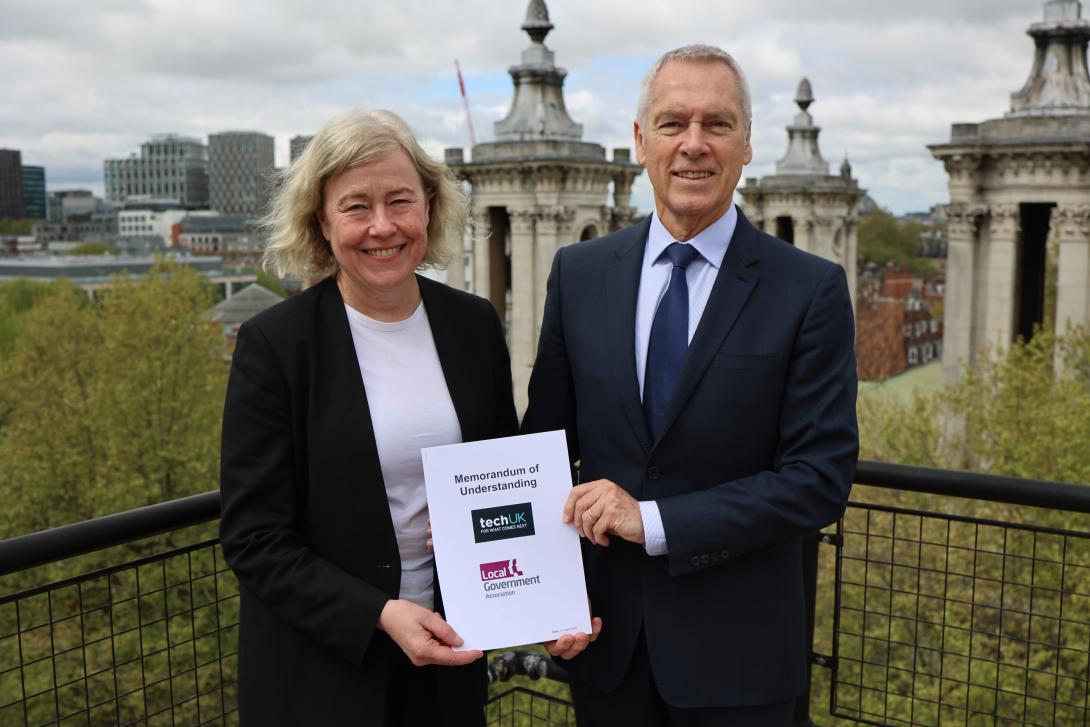
Sally Kimber, revenues and benefits systems and controls manager at Wiltshire Council shares learnings and advice from her experience on the team which merged five district councils into one local authority
It’s a time of far-reaching change in local government.
A radical overhaul of council structures is underway, with ambitious plans to replace 185 county and district councils with unitary authorities in a bid to improve financial stability, drive efficiency and deliver higher quality services.
Successful restructures will have a positive impact on council services and the people who use them, but if a merger is poorly executed, services can suffer, with citizens and council staff bearing the brunt.
There are always risks with any large-scale reorganisation, but there are ways to avoid the pitfalls and embrace the positives.
As part of a team which went through a merger and came out the other side, I believe our local authority is stronger, fitter and better prepared for the future. Councils facing the prospect of a merger could benefit from the experiences of those of us who have ridden the waves.
If you take early steps to develop a positive team culture and a confident workforce, you will have firm foundations for a successful organisation.
Teamwork
We put our own building blocks in place back in 2009, when Wiltshire Council became a unitary authority. On the face of it, that’s not so long ago, but in many ways the world is now a very different place. Not many people owned a smartphone, remote working was still unusual and AI was largely the stuff of science fiction.
Times may have changed, but the challenge remains the same. How do you take multiple, geographically spread, long-established entities and bring them together into one unitary authority?
The answer lies, as it so often does, with the people who make it work.
As well as being spread across a wide rural area, each of Wiltshire’s local hubs had been used to working very differently. Processes such as claims handling, document management and payment cycles varied from one entity to another. This meant each of our districts had a very distinct working culture.
It’s natural for humans to be wary of change, particularly in the context of their job role. But life was about to change significantly for everyone involved. So, it was vital to bring teams together, face-to-face, from day one. To help people accept change, you need to give them a reason to buy into the vision.
One major hurdle councils face is to show people that their way of doing things isn’t the only way of doing things. There may be alternative approaches which could work better. If people are encouraged to share their experience and expertise, it’s possible to establish a new best practice for the organisation.
That’s why it’s important to exchange ideas, particularly in the early stages of building a single, new team. Even in the era of remote working, there’s no substitute for in-person get-togethers. Team building exercises may not be everyone’s favourite pastime, but get them right and they are a wonderful way to break down barriers and encourage people to talk to each other.
Technology
The benefit of bringing people together into a combined team is that you have a richer source of talent, skill and experience. But it is challenging to create a new, unified workforce if everyone continues to use different IT systems and technology.
In our case, no two sites used the same system for their revenues and benefits, which made matters all the more complicated.
The first step in our IT streamlining was to consolidate processes, and bring all the data held in disparate systems across the councils into one single NEC system. Having one supplier made so much sense in that there was one contract to manage, and everyone would be learning to use one system together.
A piece of advice I would share is to use the consolidation as an opportunity to have a good clear out of data. Rather like moving house, it’s an excellent way to declutter the shelves and start fresh with just the data you need.
It’s best if you can start your data cleansing before the migration, rather than clogging up the new system with old data you no longer need. This obviously takes a bit of planning – just because you can transfer all your old data into the new system, it doesn’t mean you should.
For instance, we moved all our council tax and non-domestic rate records from the old systems to the new.
However, if I were doing it now, I would consider restricting the accounts that were migrated to only those which are part of the last two revaluations for non-domestic rates. And for council tax, perhaps not migrate closed accounts over seven years old.
It’s the ideal time to review your GDPR processes and streamline your old claims, accounts and documents before migrating. Starting with a minimalist approach helps to make merging systems more effective and less of a headache.
Training
Introducing a whole new system pushes training up the agenda. I don’t think you can overstate the importance of factoring in enough time and space to train staff before going live with the new system.
If people start using new systems the ‘old way’, it makes it much harder to adjust, because old habits die hard. It also makes it more challenging for an organisation to move forward as a single team with streamlined processes.
When people have been in their roles for some time, there can be an initial reluctance to move away from existing technology. This is often down to a fear of doing something wrong – a fear that is largely unfounded. A well organised training programme helps to make staff feel on top of the new system and more receptive to change. IT support is key, because if staff have any questions or concerns, they know that help is out there. A good technology provider should be almost like part of your team. When we went through our merger, this involved someone from our tech company walking the floor and answering questions. As I remember, our consultant even joined us for our Christmas lunch.
Nowadays, with homeworking more widespread, it might also be good to have a digital port of call for users whenever they have a query, or need someone to talk them through a new process.
To get everyone on board with a new system, it’s worth nominating some super users among the staff who can help colleagues get used to the new technology and to be on hand for more informal coaching on the system.
A merger is one of the biggest changes an organisation is likely to face, and it’s important to build trust, confidence and understanding among the workforce from the very beginning. If everyone works together to navigate change, the outcome will be a stronger local authority, with a positive team culture, delivering better services to the community.